
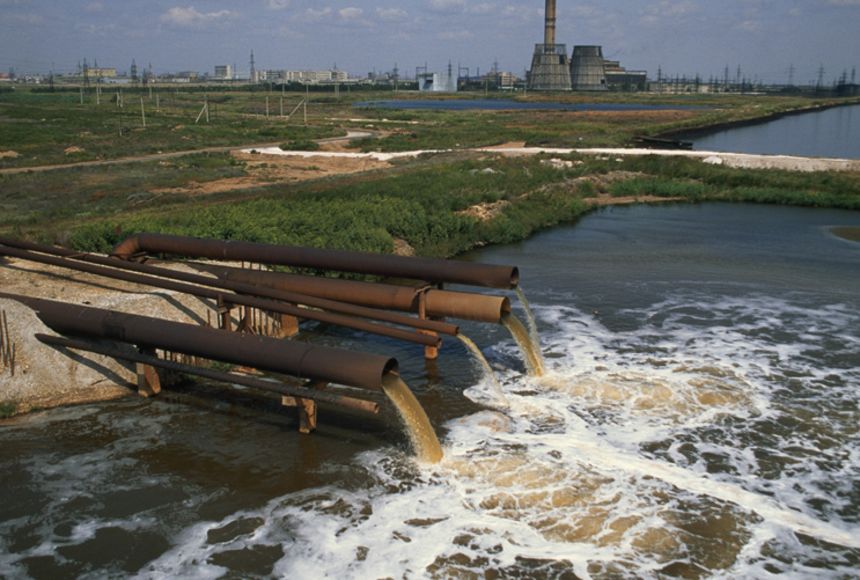
A recent report submitted to the National Green Tribunal (NGT) has raised serious environmental concerns by revealing that 117 industrial units in Sonipat are still discharging pollutants into the Yamuna drain, despite regulatory directives aimed at controlling industrial waste and protecting water bodies. The findings highlight ongoing violations of environmental norms, including the release of untreated or partially treated effluents into drainage channels that ultimately flow into the Yamuna River. Environmental experts warn that such discharge contributes to severe water contamination, threatens aquatic ecosystems, degrades soil quality, and poses significant health risks to nearby communities who depend on groundwater and agricultural resources.
According to officials familiar with the report, many of the identified units either lack functional effluent treatment systems or fail to operate them consistently, allowing hazardous chemicals and industrial waste to enter the drainage network. The pollution is believed to include heavy metals, toxic residues, and chemical by-products that can accumulate in the environment over time. The NGT has previously directed authorities to enforce strict compliance, monitor discharge levels, and take action against violators, including penalties, closures, or legal proceedings.
Local residents and environmental activists have expressed concern over foul odors, discolored water, and declining agricultural productivity in areas surrounding the drain. Farmers worry that polluted water may contaminate irrigation sources, affecting crop health and soil fertility. Public health advocates have also highlighted the potential risks of waterborne diseases and long-term exposure to toxic substances.
Authorities have stated that inspections and monitoring efforts are ongoing, and steps are being taken to ensure compliance with environmental standards. Measures under consideration include strengthening surveillance, mandating functional effluent treatment plants, promoting cleaner production practices, and imposing stricter penalties on non-compliant units. Environmental experts stress that sustainable industrial practices and effective waste management are essential to safeguarding water resources and protecting public health.
The report underscores the urgent need for coordinated action among regulatory agencies, industry operators, and local administrations to curb pollution and restore ecological balance. Addressing the issue will be crucial not only for environmental conservation but also for ensuring safe water resources, sustainable agriculture, and improved quality of life for communities in and around Sonipat.