
Sonipat Splenden

Environmental News

sa0226brow01

Inspections conducted at 500 units in Sonepat, many found …

Authorities in Sonipat district recently carried out large-scale inspections across nearly 500 industrial and commercial units as part of a coordinated enforcement drive aimed at ensuring compliance with safety, environmental, and regulatory standards. The inspections, conducted by joint teams from local administration, pollution control authorities, labour department officials, and municipal bodies, focused on verifying licenses, worker safety measures, fire preparedness, waste disposal practices, and adherence to pollution control norms. During the drive, several units were found operating with irregular documentation, inadequate safety arrangements, improper waste management systems, or violations of environmental guidelines. Officials issued notices to non-compliant establishments, directing them to rectify deficiencies within a stipulated timeframe, while serious violations may attract penalties, temporary closure, or legal action. The inspection campaign forms part of a broader effort to improve industrial safety, protect workers’ welfare, and reduce environmental hazards in the rapidly growing industrial zones of Sonipat. Authorities emphasized that ensuring proper fire safety equipment, ventilation, protective gear for workers, and safe chemical handling procedures is essential to prevent accidents and occupational health risks. Environmental compliance, including proper disposal of industrial waste and control of emissions, was also a major focus to safeguard surrounding residential areas and natural resources. Officials stated that the objective of the drive is not only enforcement but also awareness, encouraging industries to adopt responsible practices and maintain regulatory standards. Unit owners have been advised to maintain updated documentation, implement safety protocols, and comply with labour welfare provisions. Follow-up inspections are expected to ensure that required improvements are made. The large-scale inspection initiative reflects the administration’s commitment to maintaining safe industrial operations and sustainable development in Sonipat. By strengthening compliance and accountability, authorities aim to create a safer working environment, protect public health, and support responsible industrial growth in the district.

Inspections conducted at 500 units in Sonepat, many found … Read More »
industrial runoff

NGT report: 117 Sonipat units still polluting Yamuna drain

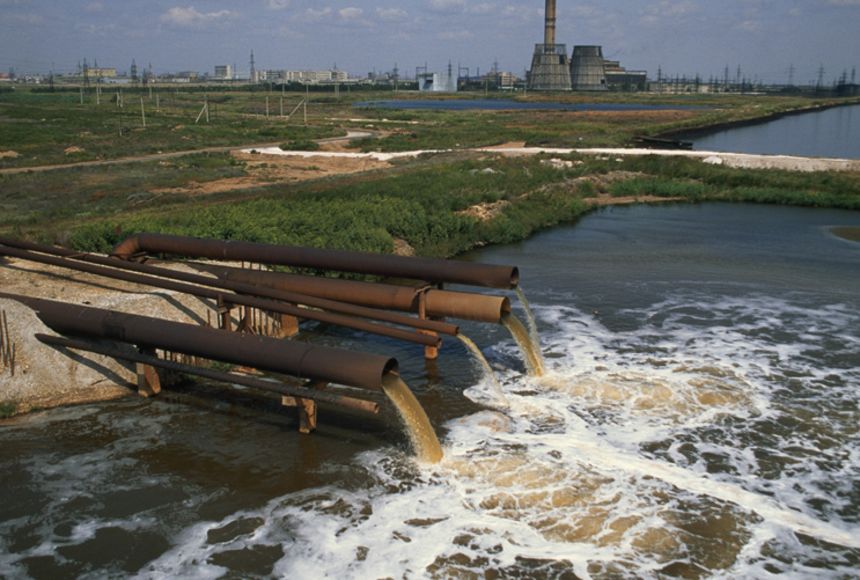
A recent report submitted to the National Green Tribunal (NGT) has raised serious environmental concerns by revealing that 117 industrial units in Sonipat are still discharging pollutants into the Yamuna drain, despite regulatory directives aimed at controlling industrial waste and protecting water bodies. The findings highlight ongoing violations of environmental norms, including the release of untreated or partially treated effluents into drainage channels that ultimately flow into the Yamuna River. Environmental experts warn that such discharge contributes to severe water contamination, threatens aquatic ecosystems, degrades soil quality, and poses significant health risks to nearby communities who depend on groundwater and agricultural resources. According to officials familiar with the report, many of the identified units either lack functional effluent treatment systems or fail to operate them consistently, allowing hazardous chemicals and industrial waste to enter the drainage network. The pollution is believed to include heavy metals, toxic residues, and chemical by-products that can accumulate in the environment over time. The NGT has previously directed authorities to enforce strict compliance, monitor discharge levels, and take action against violators, including penalties, closures, or legal proceedings. Local residents and environmental activists have expressed concern over foul odors, discolored water, and declining agricultural productivity in areas surrounding the drain. Farmers worry that polluted water may contaminate irrigation sources, affecting crop health and soil fertility. Public health advocates have also highlighted the potential risks of waterborne diseases and long-term exposure to toxic substances. Authorities have stated that inspections and monitoring efforts are ongoing, and steps are being taken to ensure compliance with environmental standards. Measures under consideration include strengthening surveillance, mandating functional effluent treatment plants, promoting cleaner production practices, and imposing stricter penalties on non-compliant units. Environmental experts stress that sustainable industrial practices and effective waste management are essential to safeguarding water resources and protecting public health. The report underscores the urgent need for coordinated action among regulatory agencies, industry operators, and local administrations to curb pollution and restore ecological balance. Addressing the issue will be crucial not only for environmental conservation but also for ensuring safe water resources, sustainable agriculture, and improved quality of life for communities in and around Sonipat.

NGT report: 117 Sonipat units still polluting Yamuna drain Read More »

Jobs
News
Home
Listings
Contact Us