Sonipat Splenden

Festivals

chatgpt image feb 14, 2026, 09 44 06 am

Dussehra (Vijayadashami)

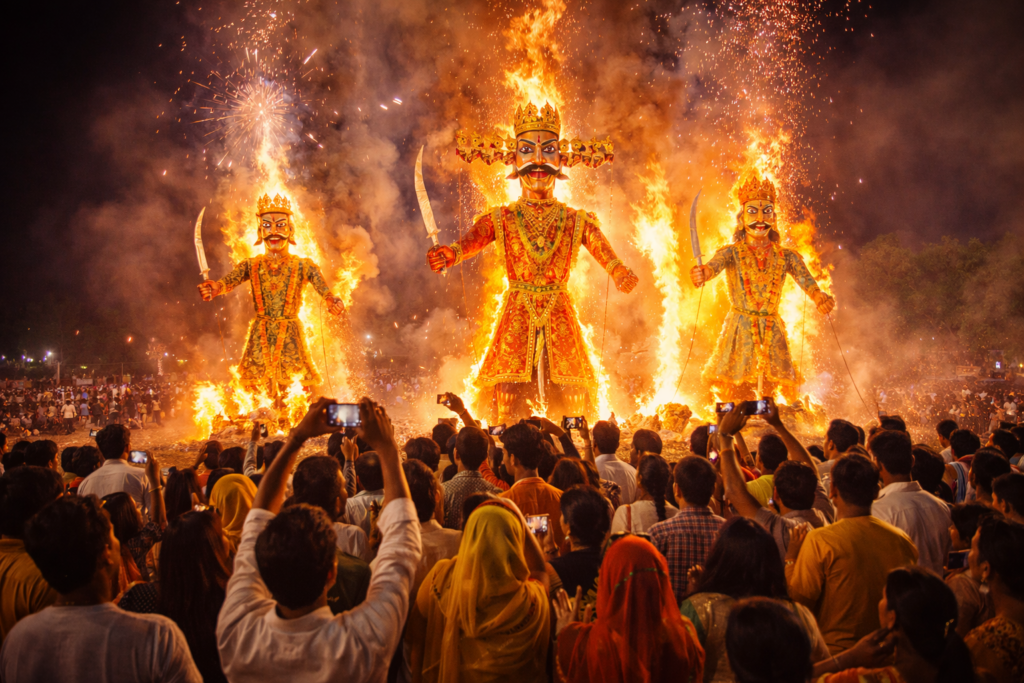
Dussehra, also known as Vijayadashami, is one of the most significant and widely celebrated festivals in Sonipat and across India. Observed on the tenth day of the Hindu month of Ashwin (September–October), the festival symbolizes the victory of good over evil, righteousness over wrongdoing, and truth over falsehood. It marks the triumph of Lord Rama over the demon king Ravana, as described in the epic Ramayana, and also commemorates Goddess Durga’s victory over the demon Mahishasura, making it a powerful symbol of justice and divine strength. In the days leading up to Dussehra, dramatic enactments of the Ramayana known as Ramleela are performed in public grounds and community spaces. These performances depict the life and virtues of Lord Rama, drawing large audiences and preserving cultural traditions. On the evening of Vijayadashami, towering effigies of Ravana, along with those of Meghnad and Kumbhakarna, are set ablaze amid cheers and fireworks. The burning of these effigies symbolizes the destruction of evil forces and the victory of righteousness. In Sonipat, Dussehra is celebrated with great enthusiasm and community participation. Public grounds host fairs, cultural programs, and food stalls, creating a festive atmosphere for families and visitors. Children and adults gather to witness the grand effigy burning, while devotional songs and announcements echo throughout the celebration grounds. The dazzling fireworks and crackling flames create a spectacular visual experience that marks the culmination of the festivities. The festival also carries spiritual and moral significance. Devotees visit temples to offer prayers, seeking strength to overcome negativity and follow the path of truth and virtue. Many people consider Vijayadashami an auspicious day to begin new ventures, purchase tools or vehicles, and start educational or professional pursuits, believing it brings success and prosperity. Beyond its religious importance, Dussehra serves as a reminder of ethical values and cultural heritage. It teaches the importance of righteousness, courage, and integrity in daily life. Families use this occasion to educate younger generations about moral values through stories and celebrations. In Haryana, including Sonipat, Dussehra reflects a blend of devotion, cultural pride, and community unity. The festival brings people together regardless of age or background, reinforcing social harmony and shared traditions. The celebrations combine spirituality with festivity, making Vijayadashami both meaningful and joyous.

Dussehra (Vijayadashami) Read More »
chatgpt image feb 14, 2026, 09 33 58 am

Basant Panchami

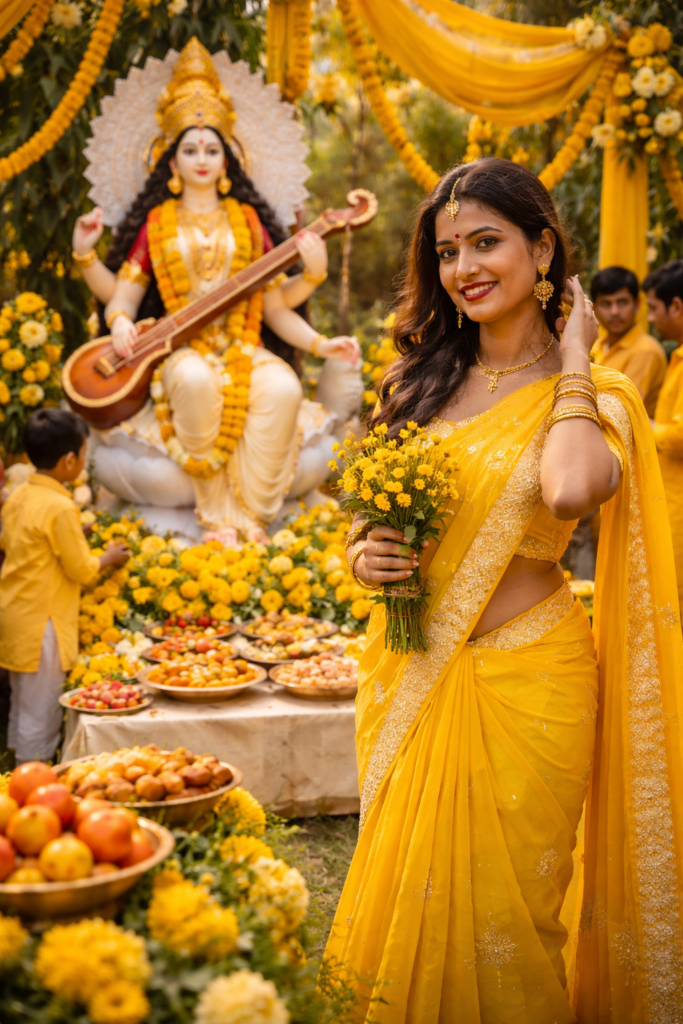
Basant Panchami is a vibrant and spiritually significant festival celebrated in Sonipat and across North India to welcome the arrival of spring and to honor Goddess Saraswati, the divine embodiment of knowledge, wisdom, music, and learning. Observed on the fifth day (Panchami) of the bright fortnight in the Hindu month of Magha (January–February), the festival symbolizes renewal, positivity, and the awakening of nature after the winter season. It marks the transition from cold winter days to a season filled with warmth, blooming flowers, and new beginnings. On this auspicious day, devotees worship Goddess Saraswati, seeking blessings for wisdom, creativity, and success in education and artistic pursuits. Schools, colleges, and educational institutions organize Saraswati Puja, where students place books, pens, and musical instruments near the goddess’s idol as a mark of reverence. It is believed that beginning education or learning new skills on Basant Panchami brings knowledge and prosperity. The color yellow holds special significance during the festival, symbolizing energy, prosperity, and the vibrancy of spring. People dress in yellow attire, prepare yellow-colored sweets and rice dishes, and decorate homes and temples with marigold flowers. The landscape itself reflects the spirit of the festival, as mustard fields bloom with bright yellow flowers, creating a beautiful natural backdrop that signifies fertility and growth. Basant Panchami is also a celebration of art, music, and culture. Devotional songs, classical music performances, and cultural programs are organized to honor Saraswati, the goddess of arts and learning. Children participate in cultural activities, recitations, and performances, making the festival both educational and festive in spirit. In Sonipat and Haryana, the festival is celebrated with devotion and cultural enthusiasm. Families visit temples, offer prayers, and share sweets with neighbors and relatives. The day is considered highly auspicious for starting new ventures, educational pursuits, and creative projects. The festival encourages positivity, intellectual growth, and spiritual awareness. Beyond its religious importance, Basant Panchami symbolizes hope, renewal, and harmony with nature. It reminds people of the beauty of seasonal change and the importance of knowledge and wisdom in shaping life. The festival fosters a sense of optimism and inspires individuals to pursue learning, creativity, and personal growth.

Basant Panchami Read More »

chatgpt image feb 14, 2026, 09 24 14 am

Lohri

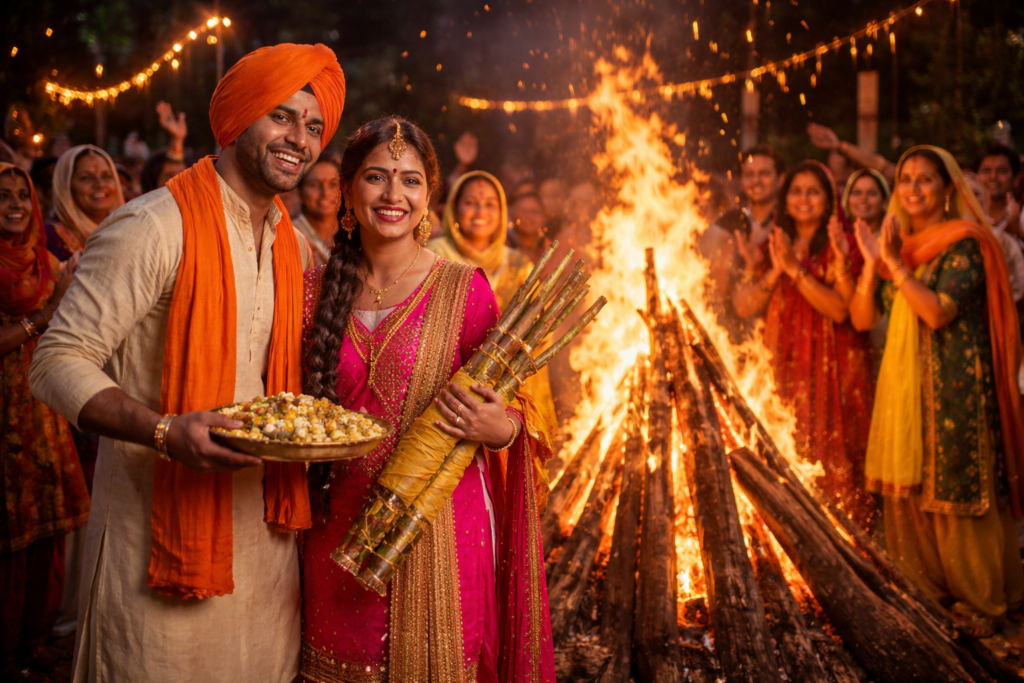
Lohri is one of the most vibrant and joyful winter festivals celebrated in Sonipat and across North India, especially in Haryana and Punjab. Observed every year on 13th January, Lohri marks the end of the winter solstice and the arrival of longer days. The festival is deeply connected with the harvest season and is celebrated with gratitude for nature’s bounty, prosperity, and community well-being.Celebrations are filled with traditional songs and energetic dances such as Bhangra and Gidda. People clap, sing folk songs, and dance around the bonfire, creating a lively and joyful atmosphere. Traditional Lohri songs narrate folklore and celebrate bravery and prosperity.Lohri is a festival of togetherness and community bonding. Families gather to share sweets and festive foods, exchange greetings, and strengthen relationships. The festival holds special significance for newly married couples and newborn babies, for whom the first Lohri is celebrated with great joy and family gatherings. Lohri is one of the most lively and culturally rich winter festivals celebrated in Sonipat and throughout Haryana and North India. Observed every year on the evening of January 13, the festival marks the end of the coldest days of winter and welcomes the longer, warmer days ahead. Deeply connected to the agricultural cycle, Lohri celebrates the harvesting of winter crops and expresses gratitude for nature’s abundance. For farming communities, it is a time of joy and relief, symbolizing prosperity and hope for a fruitful year. As dusk falls, families and neighbors gather outdoors to light a sacred bonfire, which becomes the heart of the celebration. The fire represents warmth, positivity, and the triumph of light over darkness. Devotees circle the flames and offer sesame seeds, jaggery, peanuts, popcorn, and traditional sweets into the fire while praying for happiness, good health, and prosperity. These offerings symbolize gratitude and the sharing of blessings. The crackling flames, glowing embers, and winter chill create a magical atmosphere filled with warmth and unity. Music and dance play a vital role in Lohri celebrations. People sing traditional folk songs and perform energetic dances like Bhangra and Gidda, clapping rhythmically and celebrating with enthusiasm. Folk songs often recount tales of bravery, prosperity, and rural life, preserving cultural heritage and oral traditions. Children go door to door singing Lohri songs and collecting sweets, adding excitement and community participation to the festival. Lohri is also a festival of relationships and social bonding. Families gather to exchange greetings, share festive foods, and strengthen relationships with friends and neighbors. The festival holds special significance for newly married couples and newborn babies, as their first Lohri is celebrated with great joy, blessings, and family gatherings. Elders bless the younger generation, and the celebrations reinforce the importance of family unity and tradition. Traditional winter delicacies are an essential part of Lohri festivities. Foods such as rewari, gajak, til ladoos, groundnuts, popcorn, makki di roti, and sarson da saag are enjoyed, providing warmth and nourishment during the cold season. These sesame and jaggery-based treats are considered auspicious and symbolize sweetness and prosperity in life. In Sonipat, Lohri is celebrated with great enthusiasm in residential areas, villages, and community spaces. Bonfires are lit in courtyards and open grounds, and people gather to celebrate together regardless of age or background. The festival highlights Haryana’s agricultural roots and reflects the warmth, hospitality, and cultural pride of its people. Beyond its festive joy, Lohri carries deep symbolic meaning. The bonfire signifies the burning away of negativity and the welcoming of new beginnings. It encourages gratitude for nature, strengthens community bonds, and fosters a spirit of generosity and togetherness. The glow of the Lohri fire not only warms the winter night but also symbolizes hope, renewal, and shared happiness.

Lohri Read More »

chatgpt image feb 14, 2026, 09 14 46 am

Guga Navami

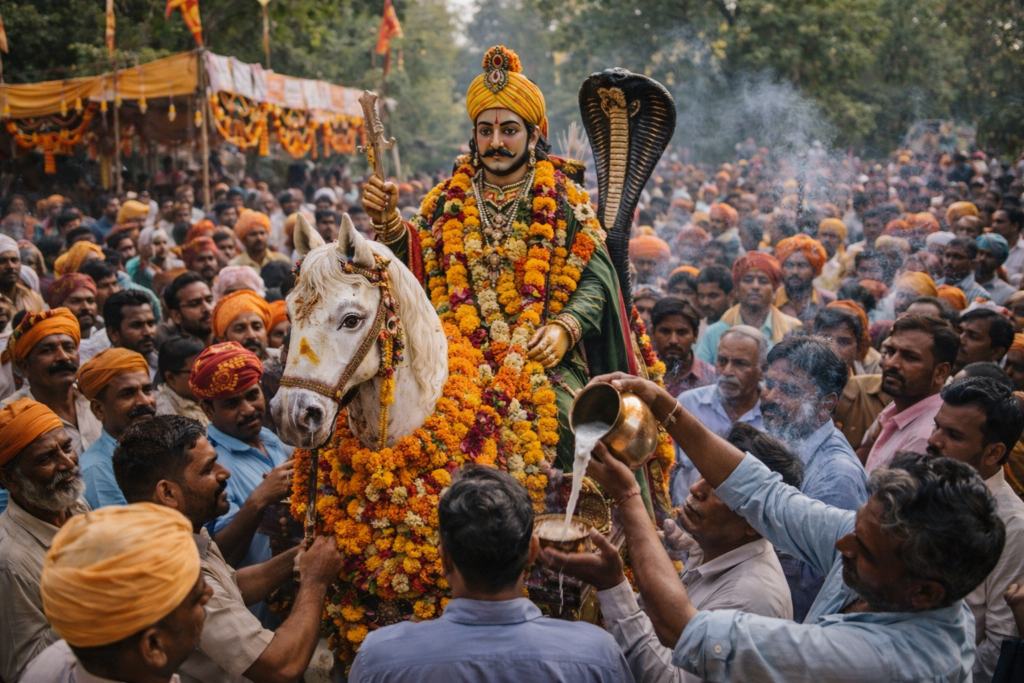
Guga Navami is a significant folk festival celebrated with great devotion in Sonipat and across Haryana, Rajasthan, and parts of North India. The festival is dedicated to Gogaji (Guga Pir), a revered folk deity believed to protect devotees from snake bites, evil forces, and negative energies. Observed on the ninth day (Navami) of the Krishna Paksha in the month of Bhadrapada (August–September), the festival reflects deep-rooted rural traditions, faith, and cultural unity. Gogaji Maharaj is worshipped as a warrior saint and protector of people. According to folklore, he possessed divine powers and devoted his life to protecting the innocent. He is often depicted riding a horse and associated with serpents, symbolizing his power over snake venom. Devotees believe that worshipping Gogaji ensures protection, healing, and safety from unseen dangers. Colorful processions are a major highlight of the festival. Devotees carry flags, sing folk songs, and chant praises of Gogaji while moving through streets and villages. Traditional drums and instruments accompany the processions, creating a vibrant cultural atmosphere. Folk performers narrate heroic tales of Gogaji, preserving local heritage and oral traditions. In Sonipat, Guga Navami is celebrated with great enthusiasm, especially in rural areas. The festival reflects the agrarian lifestyle and the community’s faith in divine protection. Families gather to pray for safety, prosperity, and well-being. The celebration strengthens social bonds and keeps alive the region’s rich folk traditions. Beyond religious rituals, Guga Navami represents faith, courage, and protection. Devotees believe that sincere prayers to Gogaji safeguard families from harm and bring peace and prosperity. The festival continues to be an important cultural event that blends spirituality with folk heritage.Guga Navami is one of the most revered folk festivals celebrated in Sonipat and throughout Haryana, Rajasthan, and parts of Punjab and Uttar Pradesh. Dedicated to Gogaji, also known as Guga Pir or Jahar Veer Gogaji, the festival reflects deep-rooted faith, rural traditions, and the cultural identity of North India. Observed on the ninth day (Navami) of the dark fortnight (Krishna Paksha) in the month of Bhadrapada (August–September), this festival holds immense spiritual significance, especially among agrarian communities. Gogaji Maharaj is worshipped as a warrior saint, protector, and healer who possessed divine powers. Folk legends describe him as a brave ruler and spiritual figure who safeguarded people from snake bites and harmful forces. Because of his association with serpents, he is often depicted riding a horse with snakes surrounding him, symbolizing his command over venom and his role as a divine protector. Devotees believe that sincere prayers to Gogaji protect families from danger, disease, and misfortune. Preparations for Guga Navami begin days in advance. Homes and shrines are cleaned and decorated, and people prepare offerings of milk, turmeric, jaggery, grains, and sweets. On the day of the festival, devotees visit local shrines known as Guga Marhis or sacred mounds dedicated to Gogaji. Offerings are made while prayers are recited seeking protection and blessings. A unique ritual includes pouring milk into snake holes or sacred pits, symbolizing respect for serpents and seeking protection from snake bites.

Guga Navami Read More »

chatgpt image feb 14, 2026, 09 10 34 am

Teej Festival

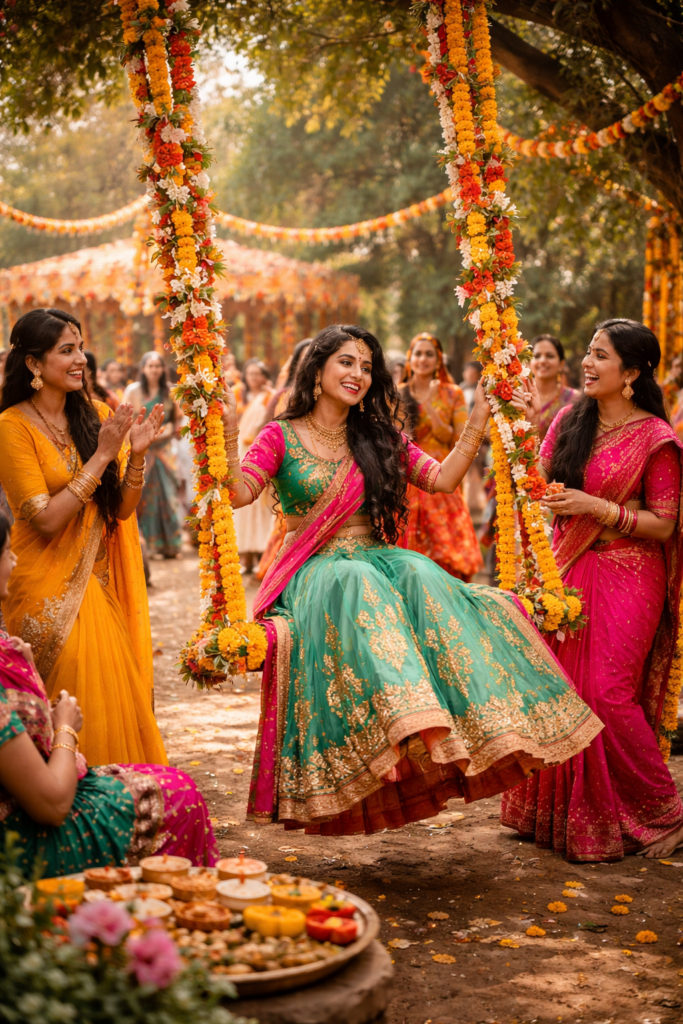
Teej is one of the most vibrant and culturally rich festivals celebrated in Sonipat and across Haryana, especially by women. Marking the arrival of the monsoon season, the festival symbolizes joy, marital happiness, devotion, and the beauty of nature. Celebrated with great enthusiasm during the rainy season, Teej brings communities together through traditional customs, music, dance, and festive gatherings. The festival is deeply rooted in Hindu mythology and is associated with the divine union of Lord Shiva and Goddess Parvati. According to belief, Goddess Parvati observed intense penance to win Lord Shiva as her husband, and her devotion was ultimately rewarded. Therefore, married women observe fasts and pray for the long life and well-being of their husbands, while unmarried girls pray for a loving life partner. During Teej celebrations in Sonipat, women dress in colorful traditional attire such as green, red, and yellow sarees or lehengas, symbolizing fertility and prosperity. They adorn themselves with bangles, jewelry, and beautiful mehndi (henna) designs on their hands. One of the most iconic elements of the festival is the beautifully decorated swings tied to trees and adorned with flowers. Women gather to sing traditional folk songs while enjoying swings, creating a joyful and lively atmosphere. Homes and community spaces are decorated, and special festive foods such as ghevar, kheer, malpua, and traditional sweets are prepared and shared with family and friends. The sound of folk music, laughter, and celebration fills the air, reflecting the cultural richness of Haryana’s traditions. In many areas, cultural programs and fairs are organized, featuring folk dances, traditional songs, and community gatherings. These events help preserve local heritage and strengthen social bonds. The festival also provides an opportunity for women to reconnect with their parental homes, as married daughters often visit their families during this time. Beyond its religious and cultural significance, Teej represents the celebration of nature, womanhood, love, and harmony. The lush greenery of the monsoon season enhances the festive spirit, symbolizing renewal and prosperity. Teej in Sonipat is not merely a seasonal celebration—it is a heartfelt expression of tradition, devotion, and cultural pride. The festival fills the atmosphere with joy, color, and positivity, keeping age-old customs alive while bringing communities closer together

Teej Festival Read More »

Jobs
News
Home
Listings
Contact Us